

Make sure repairs to tangible property were actually repairs before you deduct the cost
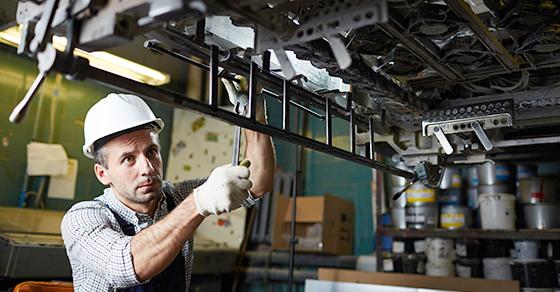
Repairs to tangible property, such as buildings, machinery, equipment or vehicles, can provide businesses a valuable current tax deduction — as long as the so-called repairs weren’t actually “improvements.” The costs of incidental repairs and maintenance can be immediately expensed and deducted on the current year’s income tax return. But costs incurred to improve tangible property must be depreciated over a period of years.
So the size of your 2017 deduction depends on whether the expense was a repair or an improvement.
Betterment, restoration or adaptation
In general, a cost that results in an improvement to a building structure or any of its building systems (for example, the plumbing or electrical system) or to other tangible property must be depreciated. An improvement occurs if there was a betterment, restoration or adaptation of the unit of property.
Under the “betterment test,” you generally must depreciate amounts paid for work that is reasonably expected to materially increase the productivity, efficiency, strength, quality or output of a unit of property or that is a material addition to a unit of property.
Under the “restoration test,” you generally must depreciate amounts paid to replace a part (or combination of parts) that is a major component or a significant portion of the physical structure of a unit of property.
Under the “adaptation test,” you generally must depreciate amounts paid to adapt a unit of property to a new or different use — one that isn’t consistent with your ordinary use of the unit of property at the time you originally placed it in service.
Seeking safety
Distinguishing between repairs and improvements can be difficult, but a couple of IRS safe harbors can help:
1. Routine maintenance safe harbor. Recurring activities dedicated to keeping property in efficient operating condition can be expensed. These are activities that your business reasonably expects to perform more than once during the property’s “class life,” as defined by the IRS.
Amounts incurred for activities outside the safe harbor don’t necessarily have to be depreciated, though. These amounts are subject to analysis under the general rules for improvements.
2. Small business safe harbor. For buildings that initially cost $1 million or less, qualified small businesses may elect to deduct the lesser of $10,000 or 2% of the unadjusted basis of the property for repairs, maintenance, improvements and similar activities each year. A qualified small business is generally one with gross receipts of $10 million or less.
There is also a de minimis safe harbor as well as an exemption for materials and supplies up to a certain threshold. To learn more about these safe harbors and exemptions and other ways to maximize your tangible property deductions, contact us.
© 2018