

Tighten up billing and collections to mitigate economic uncertainties
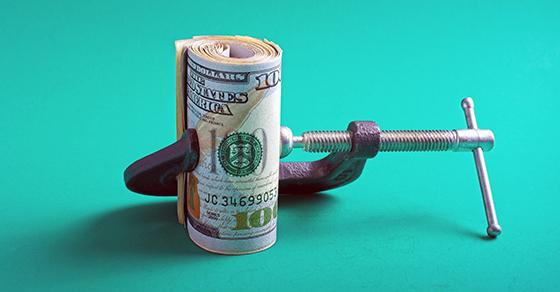
While many economic indicators remain strong, the U.S. economy is still giving business owners plenty to think about. The nation’s gross domestic product unexpectedly contracted in the first quarter of 2022. Rising inflation is on everyone’s mind. And global supply chain issues persist, spurred on by events such as the COVID-19 lockdowns in China and Russia’s invasion of Ukraine.
Obviously, these factors are far beyond your control. However, you can look inward at certain aspects of your own operations to see whether there are adjustments you could make to mitigate some of the financial challenges you might face this year.
One fundamental aspect of doing business is billing and collections. Managing accounts receivable can be challenging in any economy. So, to keep your company financially fit, you should occasionally revisit and tighten up billing and collections processes as necessary.
Resolve issues quickly
The quality of your products or services — and the efficiency of order fulfillment — can significantly impact collections. You literally give customers an excuse not to pay when an order arrives damaged, late or not at all, or when you fail to timely provide the high-quality service you promise. Other mistakes include incorrectly billing a customer or failing to apply discounts or fulfill special offers.
Make sure your staff is resolving billing conflicts quickly. For starters, ask customers to pay any portion of a bill they’re not disputing. Once the matter is resolved, and the product or service has been delivered, immediately contact the customer regarding payment of the remainder.
Depending on the circumstances, you might request that some customers sign off on the resolution by attaching a note to the final invoice. Doing so can help protect you from potential legal claims.
Bill on time, use technology
Sending invoices out late can also thwart your collection efforts. Familiarize yourself with the latest industry norms before setting or changing payment schedules. If your most important customers have their own payment schedules, be sure they’re officially set up in your system, if possible, so invoicing doesn’t go awry if a new employee comes on board.
Of course, technology is also important. Implement an up-to-date accounts receivable system that, for example:
- Generates invoices when work is complete,
- Flags problem accounts, and
- Allows you to run various useful reports.
Look into the latest ways to transmit account statements and invoices electronically. Emphasize to customers that they can safely pay online, assuming you allow them to do so.
Last, regularly verify account information to make sure invoices and statements are accurate and going to the right place. Set clear standards and expectations with customers — both verbally and in writing — about your credit policy, as well as pricing, delivery and payment terms.
Set the ground rules
Sometimes you might feel at the mercy of your customers when it comes to cash inflows. Yet businesses get to set the ground rules for incentivizing and pursuing timely payments. We can help assess your accounts receivable processes, suggest key metrics to track and explore actions you might take to help ensure customers pay on time.
© 2022