

Mature nonprofits face changing priorities
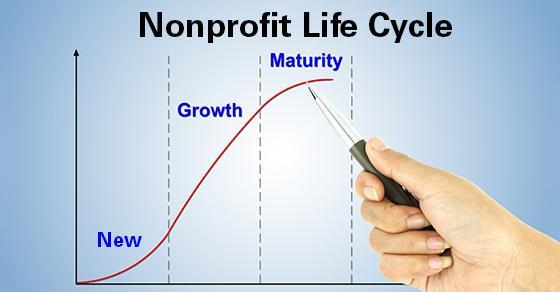
Successful not-for-profits typically proceed along a standard life cycle. Their early stage precedes a growth period that runs several years, followed by maturity. At this stage, the nonprofit has built its core programs and achieved a reputation in the community. But no organization can afford to rest on its laurels.
Where you are
Mature organizations generally are adept at maintaining adequate operating reserves and sufficient cash on hand to support daily operations. Your nonprofit also may already have initiated a planned giving program and endowment.
Many mature organizations experience greater program and operational coordination and more formal planning and communications. But they’re also more vulnerable to “mission drift.” This happens when a nonprofit begins to make compromises to generate funds rather than stick to its founding objectives and values.
Alliances with other organizations are common at this stage. Such affiliations can extend your impact and increase your financial stability. Alliances also can help reinforce your mission focus and prevent your nonprofit from getting too bogged down by policy and procedures. If you lead a mature nonprofit, you should set your sights toward sustainability.
Your board’s role
Another way to increase fiscal strength is to add members to your board. A mature nonprofit’s brand identity may enable it to attract wealthier and more prestigious board members. Ideally, these members will have more to offer than simply money, such as valuable connections or expertise in a certain area.
As your executive director and staff concentrate on operations, your board should take an even greater leadership role by setting direction and strategic policy. The board may become more conservative, though. (Younger nonprofits tend to have more entrepreneurial, risk-taking board members.)
Program considerations
When it comes to programming, your mature nonprofit needs to be wary of complacency. Regularly review your programming for relevance and effectiveness and make sure your strategic plan both focuses on the long term and outlines new opportunities. Surveys can help ensure that you’re meeting your constituents’ needs and interests, which often change over time.
For more ideas about maintaining your mature nonprofit’s financial health, contact us.
© 2018