

Providing fringe benefits to employees with no tax strings attached
Businesses can provide benefits to employees that don’t cost them much or anything at all. However, in some cases, employees may have to pay tax on the value of these benefits.
Here are examples of two types of benefits which employees generally can exclude from income:
- A no-additional-cost benefit. This involves a service provided to employees that doesn’t impose any substantial additional cost on the employer. These services often occur in industries with excess capacity. For example, a hotel might allow employees to stay in vacant rooms or a golf course may allow employees to play during slow times.
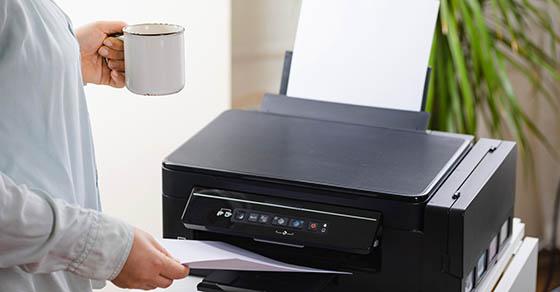
- A de minimis fringe benefit. This includes property or a service, provided infrequently by an employer to employees, with a value so small that accounting for it is unreasonable or administratively impracticable. Examples are coffee, the personal use of a copier or meals provided occasionally to employees working overtime.
However, many fringe benefits are taxable, meaning they’re included in the employees’ wages and reported on Form W-2. Unless an exception applies, these benefits are subject to federal income tax withholding, Social Security (unless the employee has already reached the year’s wage base limit) and Medicare.
Court case provides lessons
The line between taxable and nontaxable fringe benefits may not be clear. As illustrated in one recent case, some taxpayers get into trouble if they cross too far over the line.
A retired airline pilot received free stand-by airline tickets from his former employer for himself, his spouse, his daughter and two other adult relatives. The value of the tickets provided to the adult relatives was valued $5,478. The airline reported this amount as income paid to the retired pilot on Form 1099-MISC, which it filed with the IRS. The taxpayer and his spouse filed a joint tax return for the year in question but didn’t include the value of the free tickets in gross income.
The IRS determined that the couple was required to include the value of the airline tickets provided to their adult relatives in their gross income. The retired pilot argued the value of the tickets should be excluded as a de minimis fringe.
The U.S. Tax Court agreed with the IRS that the taxpayers were required to include in gross income the value of airline tickets provided to their adult relatives. The value, the court stated, didn’t qualify for exclusion as a no-additional-cost service because the adult relatives weren’t the taxpayers’ dependent children. In addition, the value wasn’t excludable under the tax code as a de minimis fringe benefit “because the tickets had a value high enough that accounting for their provision was not unreasonable or administratively impracticable.” (TC Memo 2022-36)
You may be able to exclude from wages the value of certain fringe benefits that your business provides to employees. But the requirements are strict. If you have questions about the tax implications of fringe benefits, contact us.
© 2022



